
Copper Cable Splicing Contractors
Connect with certified copper cable splicing contractors across the United States. Whether you need buried cable repair, pedestal termination, 25-pair through 2400-pair splice work, or emergency telephone line restoration — SpliceList has verified splice crews ready to quote your project.
What Is Copper Cable Splicing?
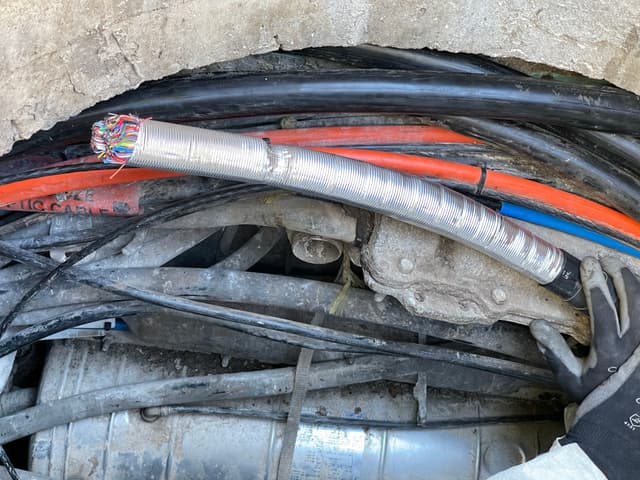
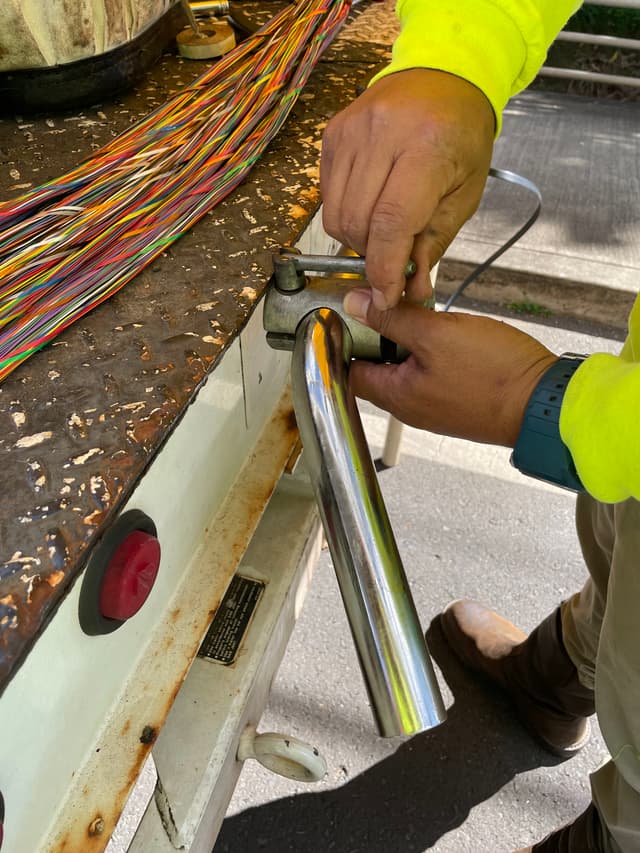
Copper cable splicing is the process of permanently joining multi-pair copper telecommunications cables using a combination of individual wire splices, insulation displacement connectors (IDCs), and weatherproof closure systems. Unlike fiber splicing — which joins glass strands using heat — copper splicing involves mechanically connecting individual copper pairs with precisely matched wire connectors and protecting the joint with a pressurized or gel-filled enclosure.
Copper cable plant remains a significant part of the telecommunications infrastructure across the United States. Despite widespread fiber deployment, millions of premises are still served via copper pairs that originate from central offices and remote terminals, traveling through buried cable, aerial strand, and pedestals to reach homes and businesses.
Copper splice work requires intimate knowledge of pair identification, cable color codes, bonding and grounding standards, and pressurization systems that protect the cable from moisture intrusion. A poor copper splice is one of the leading causes of telephone service degradation — crosstalk, high resistance, and wet contacts all trace back to substandard splice work.
Copper Cable Types and Work Environments
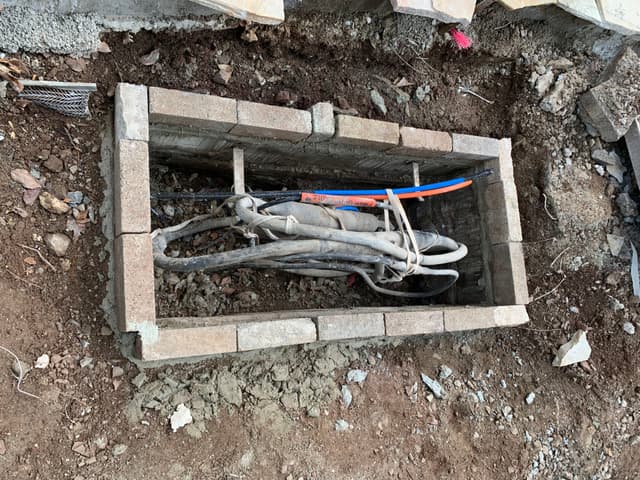
Underground and Direct-Buried
- → PE-insulated, jelly-filled cable (ERJT, EARJT)
- → Splice closures with pressurization capability
- → Cable sheaths bonded to ground at each splice
- → Excavation and locating required for buried work
- → Most common environment for large-count repairs
Aerial and Lashed Cable
- → PE or PIC cable lashed to strand wire
- → Aerial splice closures (reenterable or heat-shrink)
- → Fall protection and aerial lift requirements
- → Bonding to strand and anchor hardware
- → Common in rural and older suburban cable plant
Common Copper Splicing Services
Copper splice contractors handle the full range of outside plant work on existing telephone cable infrastructure — from single-pair pair-gain assignments to large-count cable breaks involving hundreds of pairs. The following are the most frequently requested copper splicing services on SpliceList:
When Do You Need a Copper Splicing Contractor?
Copper cable plant work is labor-intensive, requires specialized tools, and carries real risk of causing widespread service outages if done incorrectly. These are the most common situations where a professional copper splice crew is needed:
- →Cable Break and Emergency RepairA contractor strike, trench collapse, or vehicle impact can sever a buried copper cable carrying hundreds of active telephone pairs. Emergency splice crews respond quickly, locate the break using TDR equipment, excavate, cut out the damaged section, and restore service pair by pair using IDC connectors and weatherproof closures.
- →Moisture-Damaged Cable RestorationWater infiltration is the leading cause of copper cable degradation. Flooded closures, cracked sheaths, and failed pressurization allow moisture to wick into the cable and oxidize pair contacts. A splice contractor can locate the wet section, replace the damaged cable, and reseal or replace affected closures.
- →Pedestal Retermination and Pair ReassignmentServing area interface (SAI) pedestal work — adding new drops, reassigning pairs from one terminal to another, or clearing out abandoned pairs — requires a copper splicer familiar with the terminal layout and carrier pair-assignment records.
- →New Service ExtensionExtending service to a new development or adding capacity to an existing cable section may require a bridge splice or new cable splice point in the distribution plant — work that must be done without interrupting service on active pairs in the same cable.
What to Look for in a Copper Splicing Contractor
Copper splicing is a trade skill that takes years to develop. A competent copper splicer knows pair colors by reflex, can work in a manhole in the rain, and understands how a bad splice in a 600-pair cable affects 60 customers. Here is what to verify:
- ✓Hands-On OSP ExperienceThere is no substitute for time in the field. Ask how many years the contractor has been splicing copper in the outside plant, and what cable sizes they have experience with. Large-count (600 pair and above) requires a different skill set than small-count pedestal work.
- ✓TDR and Pair Testing EquipmentA Time Domain Reflectometer (TDR) locates cable faults, breaks, and moisture by sending a pulse down the cable and measuring reflections. Contractors without TDR capability are guessing at fault locations. Also verify they carry a butt set and pair tone equipment for tracing.
- ✓Closure and Connector KnowledgeQualified contractors know the difference between Scotchlok, 3M UR2, and B-wire connector systems, and understand when to use reenterable closures vs. heat-shrink vs. pressurized enclosures. Mismatched materials in a buried environment lead to premature failure.
- ✓Bonding and Grounding ComplianceCopper cable sheaths must be properly bonded and grounded at every splice to protect against lightning and stray current. This is both a performance requirement and a safety issue. Verify the contractor follows Telcordia and NEC grounding standards.
- ✓Carrier QualificationsFor work on carrier-owned copper plant (AT&T, Lumen, Frontier, etc.), the contractor may need to be formally qualified by the carrier. Ask for documentation — working on a carrier network without qualification can result in work rejection and liability.
Copper vs. Fiber: When to Repair vs. Replace
A common question when dealing with damaged or degraded copper cable plant is whether to repair the existing copper or replace it with fiber. The answer depends on the age of the infrastructure, the bandwidth demands being placed on it, and the cost of trenching vs. splicing.
In many cases — particularly for a single cable break in otherwise healthy plant — copper repair is the right call. A skilled splice crew can restore service quickly and at a fraction of the cost of fiber replacement. In cases where the cable is chronically wet, heavily corroded, or being upgraded for broadband delivery, fiber replacement makes more economic sense over a 10–20 year horizon.
SpliceList contractors can advise on both options. Many experienced OSP crews work in both copper and fiber and can give you a realistic assessment of the existing cable condition and what the most cost-effective path forward looks like.
Frequently Asked Questions
How much does copper cable splicing cost?
Small-count splicing (25–50 pair) at a pedestal typically runs $150–$400 depending on travel and complexity. Large-count buried cable breaks (200 pair and above) requiring excavation and extended splice time can run $800–$3,000 or more. Emergency response pricing carries a premium. Get multiple quotes through SpliceList for accurate pricing in your area.
How long does a copper cable repair take?
A simple pedestal retermination or small splice add might take 1–2 hours. A buried cable break requiring locating, excavation, and a 100-pair splice can take 4–8 hours. Large-count emergency repairs (600 pair or more) may require a full day and a multi-person crew.
What causes copper cable to fail?
The most common causes are moisture infiltration (from cracked sheaths, failed closures, or improper sealing), physical damage from excavation or vehicle impact, lightning strike damage, and general aging of the cable insulation. Pressurized cable plant uses dry nitrogen or dehydrated air to push moisture out — a loss of pressure indicates a sheath breach that needs attention.
What is the color code for copper telephone cable?
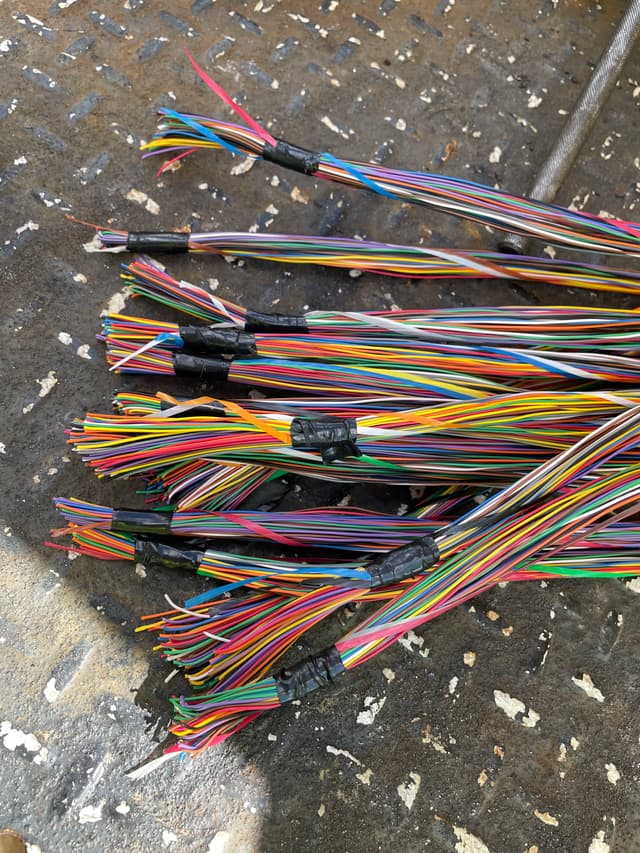
Standard 25-pair telephone cable uses a two-color system based on five tip colors (white, red, black, yellow, violet) and five ring colors (blue, orange, green, brown, slate). This gives 25 unique pairs per binder group. Large-count cables use multiple binder groups, each with its own binder color, to identify pairs above 25. An experienced splicer knows this system from memory.
Can a copper splicer also work on fiber?
Many modern OSP crews are cross-trained in both copper and fiber, since mixed copper/fiber cable plants are common in FTTN (fiber to the node) architectures. However, fiber splicing requires different tools — a fusion splicer and OTDR — that not all copper contractors own. Always confirm that your contractor has the specific equipment for the cable type you need spliced.
Need a Copper Splice Crew for Your Project?
Search SpliceList for verified copper cable splicing contractors in your area. Filter by service type, emergency availability, and location.
Search Copper Contractors