
Telecom Cable Splicing Contractors
Connect with certified outside plant (OSP) telecom cable splicing contractors across the United States. Whether you need new cable plant construction, central office splicing, DSLAM connections, or emergency repair of a buried cable break — SpliceList has verified splice crews ready to quote your project.
What Is Telecom Cable Splicing?
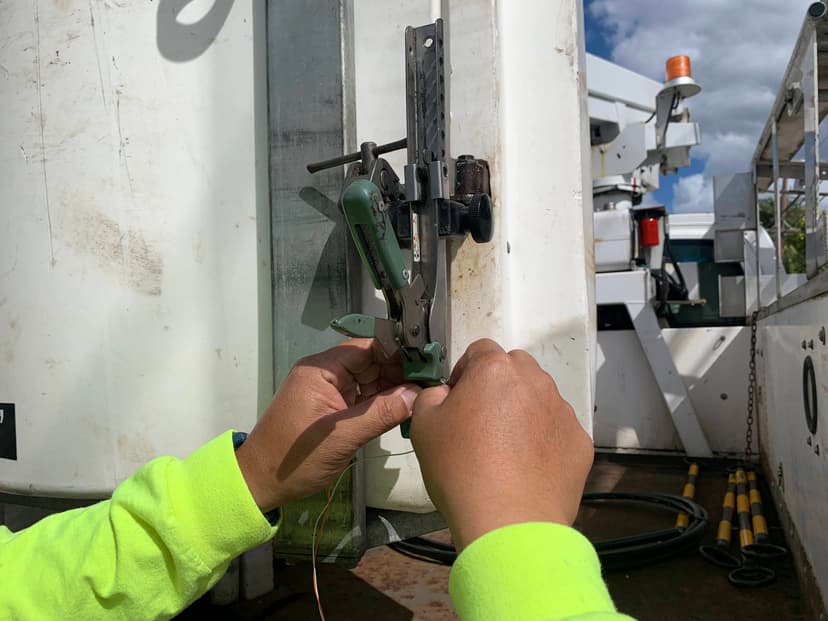
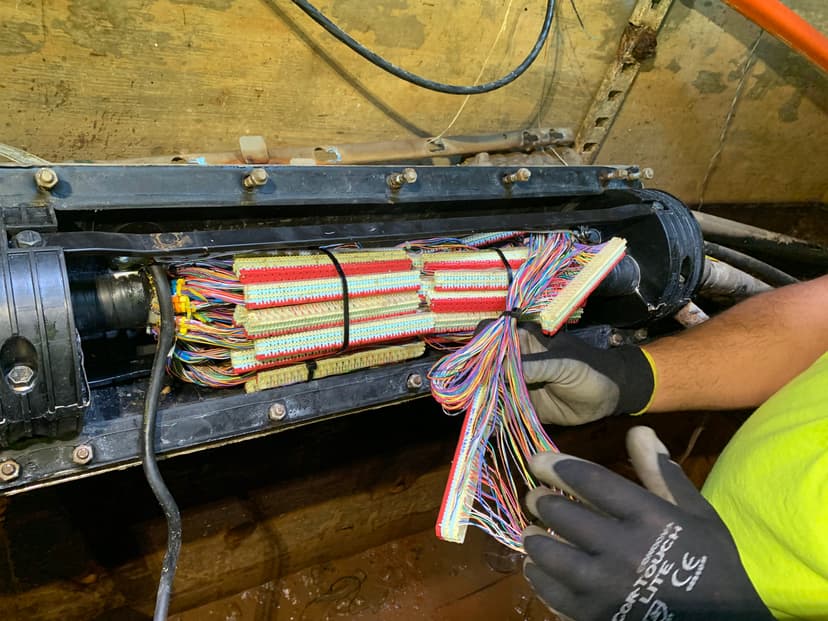
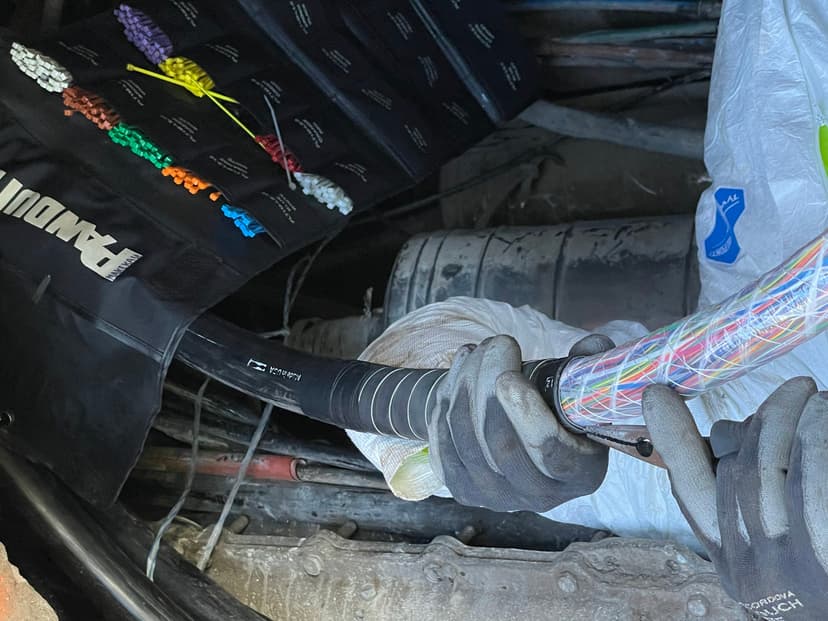
Telecom cable splicing is the process of joining telecommunications cables — which may carry copper pairs, fiber strands, or a combination — at splice points throughout the outside plant network. Unlike simple patching or connectorization, splicing creates a permanent, weatherproof joint designed to last decades in aerial, underground, or buried environments.
OSP splice technicians work on the cable plant between the central office (CO) and the end customer — spanning aerial strand, underground conduit, direct-buried cable, pedestal terminations, and remote terminal enclosures. This work requires knowledge of network architecture, proper cable handling, and compliance with carrier-specific build standards such as Telcordia GR-20 and GR-765.
Telecom splicing is distinct from structured cabling or data center work. OSP splice crews are trained for field conditions — trenches, manholes, aerial bucket work, and extreme weather — and understand the regulatory and safety requirements of working in the right-of-way alongside utility infrastructure.
OSP vs. ISP Splicing
Outside Plant (OSP)
- → Aerial, underground, and direct-buried cable
- → Weatherproof splice enclosures and closures
- → Manholes, vaults, pedestals, and aerial strand
- → Compliance with GR-20, GR-765, and utility specs
- → Work alongside power and right-of-way requirements
Inside Plant (ISP)
- → Central office and building riser cabling
- → Splice frames, patch panels, and cross-connects
- → Controlled environment — no weatherproofing
- → Compliance with NEBS and carrier CO standards
- → Integration with switching and DSLAM equipment
Common Telecom Splicing Services
Telecom splice contractors handle the full range of outside plant and inside plant work that keeps carrier networks running. The following service categories represent the most frequently requested work booked through SpliceList:
When Do You Need a Telecom Splicing Contractor?
OSP splicing is one of the most specialized trades in telecommunications. Most organizations — including many carriers — rely on outside contractors for all or part of their splice work. Here are the most common situations:
- →New Cable Plant ConstructionWhen a carrier or municipality builds out a new fiber or copper network, splice crews follow the cable installation teams to build out all splice points, terminals, and closures per the engineering design package.
- →DSLAM and Remote Terminal InstallationInstalling a new DSLAM (Digital Subscriber Line Access Multiplexer) or remote terminal requires splicing into the existing feeder cable and building new distribution pairs — work that must be done by an experienced OSP splicer to avoid disrupting active service.
- →Cable Break and Emergency RepairA construction crew, storm, or vehicle accident can sever a buried or aerial cable carrying hundreds of active pairs. Emergency splice crews respond around the clock to locate, excavate, and restore service using temporary and permanent splice methods.
- →Pair Gain and Network ReconfigurationSplitting a feeder, adding capacity to a cable section, or rerouting service from one terminal to another all require splice work in the outside plant — often under traffic, in pedestals, or inside buried vaults.
What to Look for in a Telecom Splicing Contractor
OSP splicing is not a skill learned from a YouTube tutorial. Qualified telecom splice contractors have years of hands-on experience, carrier-specific training, and the equipment and tools to work safely in manholes, on aerial strand, and in buried cable environments. Verify these qualifications before awarding a contract:
- ✓Carrier-Specific Training and QualificationsMajor carriers like AT&T, Lumen, and Frontier have their own splice standards and qualify contractors before allowing them to touch the network. Ask for carrier qualification letters or approval documentation.
- ✓OSHA and Confined Space CertificationManhole and vault work requires OSHA confined space entry certification. Aerial work requires fall protection training. Verify that the crew holds current certifications for the work environment.
- ✓BICSI OSP Practitioner CredentialBICSI's OSP Installer 2 or Technician credentials indicate training in outside plant cabling practices, cable handling, and splicing standards specific to telecom infrastructure.
- ✓Proper Tooling and MaterialsOSP splice work requires closure systems, bonding and grounding materials, cable pressure testing equipment, and — for fiber — OTDR and fusion splicer gear. Contractors who show up with inadequate tooling will produce inadequate results.
- ✓Documentation and As-Built RecordsA professional OSP splice contractor provides splice records, bonding diagrams, and as-built documentation that the network owner can use for future maintenance and troubleshooting.
Frequently Asked Questions
What certifications should a telecom OSP splice contractor have?
Key credentials include BICSI OSP Installer or Technician, OSHA 10 or OSHA 30 for general industry, and confined space entry certification for manhole and vault work. Carrier-specific qualifications (AT&T, Lumen, etc.) are required for work on those networks.
How long does OSP splice work take?
A simple pedestal add or pair reassignment might take 1–2 hours. A full manhole splice closure with dozens of pairs takes 4–8 hours. Emergency cable restoration depends on locate and excavation time — a buried cable repair typically requires a full day from dispatch to service restoration.
What is the difference between a feeder cable and a distribution cable?
Feeder cables carry a large number of pairs (often 100–2400 pair) from the central office to a remote terminal or cross-box. Distribution cables are smaller cables (25–200 pair) that branch from the terminal to the customer premises. Splicers work at the boundary between feeder and distribution — the SAI (Serving Area Interface) or cross-box — to assign pairs to specific customers.
Can a telecom splice crew work on both copper and fiber?
Many experienced OSP splice crews are proficient in both copper and fiber work, since modern cable plants often mix fiber feeder with copper distribution (FTTN/VDSL architecture). However, fiber splicing requires additional equipment — confirm that the contractor has a fusion splicer and OTDR before booking fiber work.
What is a DSLAM and why does it require splicing?
A DSLAM (Digital Subscriber Line Access Multiplexer) is a device that aggregates DSL connections from multiple customers onto a high-speed backbone. Installing a new DSLAM cabinet in the field requires cutting into the feeder cable, building a new splice point, and distributing pairs from the DSLAM to the distribution plant — all of which is OSP splice work.
Need a Telecom Splice Crew for Your Project?
Search SpliceList for verified outside plant telecom splicing contractors in your area. Filter by service type, emergency availability, and location.
Search Telecom Contractors